
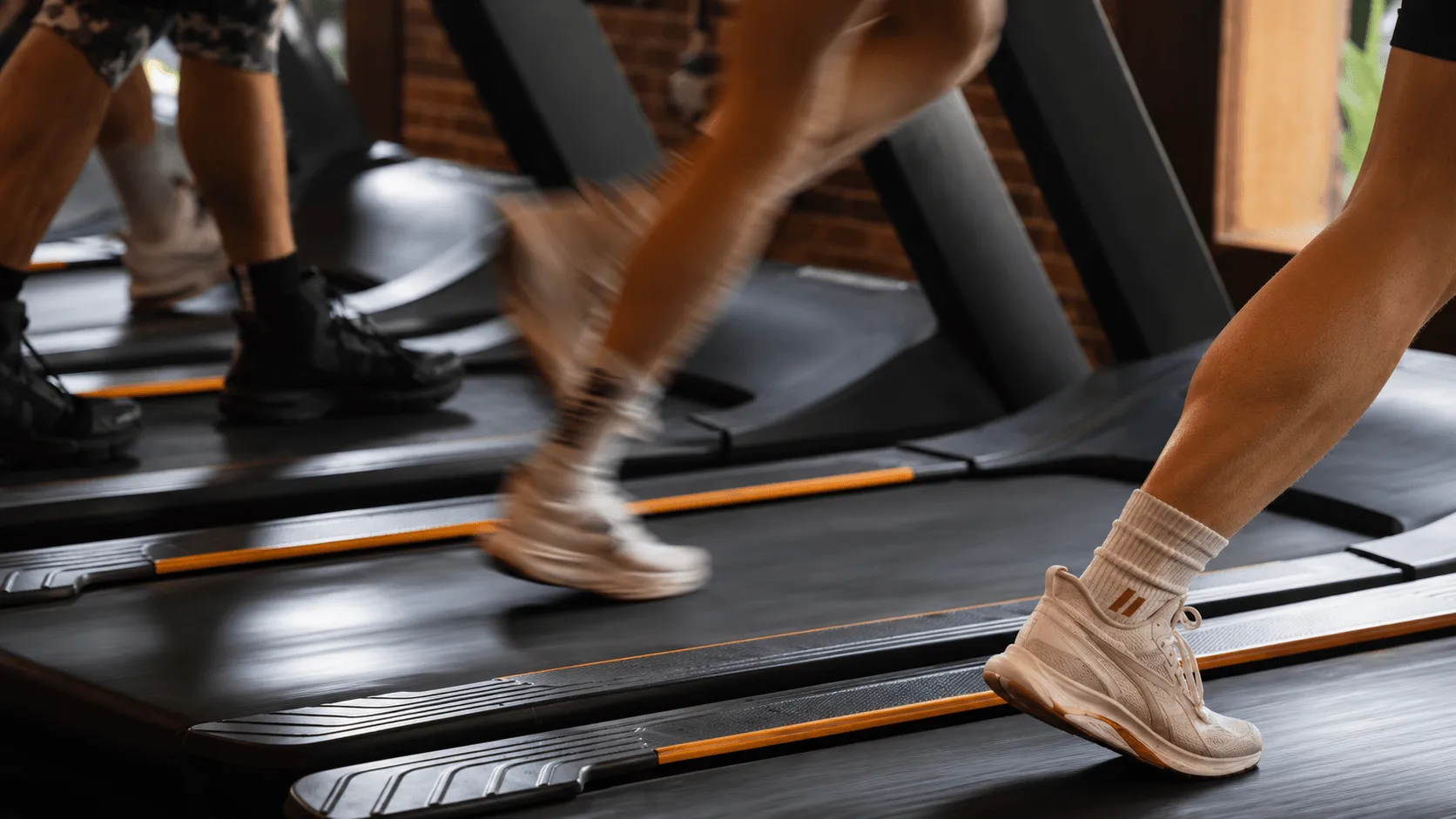
Flat feet can change how your foot absorbs impact and moves through each stride, especially if you overpronate. The right running shoes can help you find the balance of stability, cushioning, and support your training demands.
This guide breaks down 7 of the best running shoes for flat feet, with options for different running styles, comfort needs, and support preferences.
What to look for in running shoes for flat feet
The best running shoes for flat feet should match your gait, comfort needs, and training demands. Before choosing a pair, focus on these key features:
- Stability: Stability running shoes can help manage excessive inward foot movement if you overpronate.
- Arch support: Look for a supportive midsole that feels comfortable without creating pressure under your arch.
- Shock absorption: Cushioned running shoes reduce the impact of each stride. Just ensure the cushion is paired with a stable base.
- Heel support: A secure heel counter helps keep your foot in place during each stride.
- Wide toe box: Your toes need room to splay naturally. A wide toe box improves balance and running comfort.
Not every runner with flat feet needs motion control shoes. Your foot shape alone does not determine which shoe will work best.
Continue reading: Best gym bags for men: 5 picks for every training routine
Stability running shoes vs. motion control shoes
If you overpronate, you have two main categories to choose from.
Stability running shoes provide moderate support. They use guide rails or denser foam on the medial side to keep your foot aligned. A wide toe box gives your toes room to spread naturally, which many runners find more stable and comfortable.
Motion control shoes offer a higher level of support for runners who need additional stability to manage excessive overpronation. They typically feature a wider base and more structured support to help control inward foot movement. However, flat feet alone don't mean you need motion control shoes. The right level of support depends on your individual gait, comfort, and running needs.
If you're unsure, a gait analysis at a specialist running store can help you compare options and find the right level of support. A specialist will watch you run on a treadmill and tell you how much your foot rolls inward. This takes the guesswork out of finding the right level of support.
Plantar fasciitis and flat feet
Flat feet don't automatically cause plantar fasciitis, but some runners experience both. Plantar fasciitis affects the tissue along the bottom of your foot and often causes sharp heel pain with your first steps in the morning.
Look for comfortable cushioning, a secure heel fit, and support that suits your foot mechanics. Shoes can improve comfort, but they aren't a guaranteed fix. If heel pain persists or worsens, consult a healthcare professional.
The best running shoes for flat feet in 2026
The top models this year use smart geometry and modern foams to provide support without adding unnecessary weight. We have updated this list to reflect the latest 2026 editions.
Choosing the right pair depends on your gait, comfort preferences, and running needs. Here's a quick comparison of seven running shoes for flat feet to help you narrow down your options.
Quick comparison: 7 best running shoes for flat feet
Running shoes | Key support technology | Best for |
ASICS Gel-Kayano 33 | FLUIDSUPPORT system | Stability and cushioning for long-distance runs |
Brooks Adrenaline GTS 25 | GuideRails technology | Runners who want balanced support and cushioning |
HOKA Arahi 9 | H-Frame technology | Plush cushioning with structured stability |
New Balance Fresh Foam X 860 v15 | Stability Plane and dual-density Fresh Foam X | Structured support for everyday running |
Topo Athletic Ultrafly 6 | Wide toe box and low heel-to-toe drop | A more natural feel and extra toe room |
PUMA ForeverRun Nitro 3 | Dual-density foam frame | A plush ride with added stability |
Saucony Guide 19 | CenterPath technology | A wide platform and guided, natural movement |
ASICS Gel-Kayano 33
The Gel-Kayano is a stability running shoe designed to support runners who overpronate (when the feet roll inward excessively during a step). ASICS uses a highly sculpted midsole and its updated FLUIDSUPPORT system to help guide your foot and manage inward movement.
The flared base provides a wide, stable platform for landing. It delivers excellent shock absorption while supporting a more controlled stride. This is a reliable daily trainer for long-distance runs.
Brooks Adrenaline GTS 25
If you need a balance of cushioning and control, the Adrenaline GTS 25 is a smart choice. Brooks uses integrated GuideRails technology. Instead of forcing your arch up with a stiff post, the GuideRails act like bumpers on a bowling lane, helping guide your foot and limit excessive movement. It's a versatile option for runners who want support when they need it.
HOKA Arahi 9
HOKA brings stability and cushioning together in the Arahi 9. It uses the brand's H-Frame technology, a firmer foam structure shaped like an H that supports both sides of the foot through the heel and midfoot.
Unlike the older J-Frame, which focused primarily on the medial side, this design provides more balanced support to help guide your stride and manage excessive inward foot movement. It's best for runners who want a combination of structured stability and plush cushioning for everyday runs.
New Balance Fresh Foam X 860 v15
New Balance built the 860 v15 for heavy daily miles. It replaces older rigid posts with an internal Stability Plane paired with dual-density Fresh Foam X to provide structured full-foot support. The base is wide and straight, giving runners a secure platform. You get running comfort without sacrificing stability.
Topo Athletic Ultrafly 6
The Ultrafly 6 takes a different approach. It features a low heel-to-toe drop and a very wide toe box. This allows your foot to function more naturally. A firmer foam frame at the bottom of the rearfoot provides subtle support. If you prefer a more natural ground feel but still need overpronation control, this is a shoe worth considering.
PUMA ForeverRun Nitro 3
PUMA brings a plush ride to the stability category with the ForeverRun Nitro 3. It uses a dual-density foam frame that creates a firmer outer rim with a softer core. This helps keep your foot centered without feeling overly stiff. It's a smart option for runners who want a plush feel underfoot while maintaining support and foot alignment.
Saucony Guide 19
Saucony takes a gentler approach to stability with the Guide 19. It relies on its CenterPath technology, which uses a wide platform, high sidewalls, and an asymmetric profile to guide your foot naturally rather than forcing it with stiff posts. It features a lower 6mm heel-to-toe drop, which some flat-footed runners may prefer for a more grounded feel. Packed with plush PWRRUN foam, it offers a comfortable, balanced ride with subtle support for everyday miles.
Continue reading: What to eat before gym for strength, muscle growth, and better workouts
Common mistakes when buying running shoes for flat feet
Avoid these mistakes when choosing your next pair:
- Choosing maximum support by default: Flat feet don't automatically require motion control shoes. Match the support to your gait and comfort.
- Ignoring fit: A shoe that feels too tight around the arch or heel can cause discomfort, even if it offers good stability.
- Prioritizing cushioning alone: A soft midsole isn't always the best fit. Look for a balance of cushioning, stability, and responsiveness.
- Assuming shoes will fix foot pain: Running shoes can improve comfort, but persistent pain may need professional assessment.
- Skipping the test run: Walk or jog in your shortlisted shoes to check for heel slipping, pressure points, and unwanted movement.
The goal is simple: find running shoes that fit well, feel comfortable, and support your stride without forcing your foot into an unnatural position.
FAQ
Are stability shoes better for flat feet?
Not always. Stability shoes can help runners who overpronate, but the best choice depends on your gait, comfort, and support needs.
Should runners with flat feet use motion control shoes?
Only if they need that level of support. Flat feet alone don't mean you need motion control shoes.
Can running shoes for flat feet help with plantar fasciitis?
Supportive, comfortable shoes may help manage discomfort, but they aren't a guaranteed treatment. Persistent heel pain should be assessed by a healthcare professional.
Are cushioned running shoes good for flat feet?
Yes, if they fit well and provide the right balance of cushioning and stability. More cushioning doesn't automatically mean better support.
How do I know if I need arch support?
If your current shoes feel uncomfortable or you experience recurring foot pain, consider a professional gait assessment. Choose arch support that feels comfortable rather than putting pressure under your foot.