
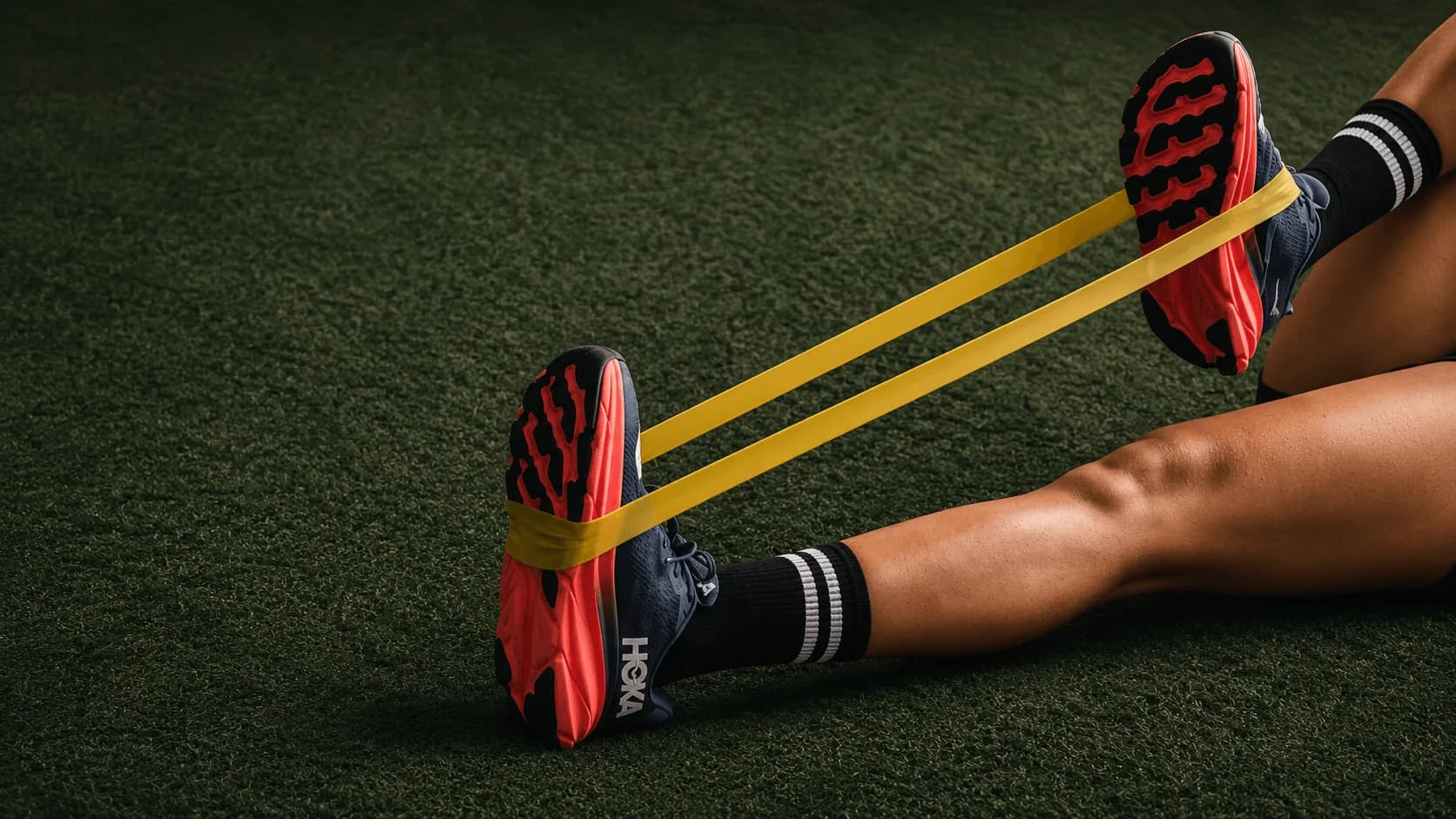
Your shoes affect how you lift, move and train. The best gym shoes give you a stable base for strength work, grip for fast movements and enough cushioning for high-impact sessions.
They're also a gym essential. Many gyms, including Body Factory Bali, require you to wear shoes in the gym area. So, if you're planning to train, you'll need a suitable pair ready for every session.
But not every gym shoe is built for the same job. Running shoes, weightlifting shoes and cross-training shoes serve different purposes. Choosing the right pair starts with understanding how you train.
Here's what to look for in gym shoes for men and women, from strength training and HIIT to cardio and functional workouts.
What should you look for in gym shoes for men and women?
When choosing gym shoes, it’s easy to focus on the brand, color or overall look. But the features that matter most are the ones that affect how your shoes feel and perform during training. Focus on these key features:
Stability
A stable base helps you stay grounded during squats, lunges and strength training.
Cushioning
Cushioning absorbs impact during running, jumping and cardio, but too much can reduce stability for lifting.
Traction and grip
Good grip keeps your feet secure during quick movements and changes of direction.
Fit and toe room
Your shoes should feel secure without squeezing your feet, with enough room for your toes to move naturally.
Flexibility and support
Look for enough flexibility to move naturally, with support suited to your workout.
Breathability and durability
Breathable materials keep your feet comfortable, while durable construction helps your shoes handle regular training.
Continue reading: What to wear to the gym (+ essential gym outfit tips to train comfortably)
Choose your gym shoes based on your workout
The best gym shoes depend on the movements you do most. Here’s what to look for based on your training:
Strength training
Prioritize a firm, stable base with good grip. You don’t need excessive cushioning, especially for exercises like squats and deadlifts.
HIIT and functional training
Look for a balance of stability, flexibility and cushioning. Good lateral support and grip are especially useful for quick, multidirectional movements.
Cardio and treadmill workouts
If running or treadmill work is a major part of your workout, choose shoes with comfortable cushioning and support designed for repetitive impact.
Mixed gym training
If you move between weights, cardio and functional exercises, a versatile cross-training or hybrid shoe can give you a good balance of stability, cushioning and flexibility.
How should gym shoes fit?
A good fit should feel secure from the first wear. Check these five points before buying:
- Heel: Stays in place without excessive slipping.
- Midfoot: Feels secure without uncomfortable pressure.
- Toe room: Allows natural movement without squeezing.
- Movement: Feels stable when walking, squatting and moving side to side.
- Comfort: Doesn't create pressure points or restrict movement.
Try shoes on with your usual training socks and test a few movements if possible. Don't assume your usual size will fit the same across every brand.
Common mistakes when choosing gym shoes
Choosing gym shoes based only on appearance or price can leave you with a pair that doesn’t suit your training. Avoid these common mistakes:
- Choosing looks over function: A great-looking shoe isn’t useful if it doesn’t support your workouts.
- Using running shoes for everything: Running shoes are designed for forward movement and may not provide enough lateral stability for HIIT or functional training.
- Buying shoes that are too tight: Your feet need enough room to move comfortably during exercise.
- Choosing too much cushioning: Extra cushioning can feel comfortable but may reduce stability during strength training.
- Ignoring wear and tear: Worn-out soles or cushioning can affect comfort, grip and support.
Top gym shoes for men and women (2026 models)
Use this guide as a starting point based on what matters most for your routine.
Your Priority | Why It's a Good Fit | Top Unisex Models |
Best overall / Mixed training | Stable for strength training while versatile enough for HIIT and general workouts. | Nike Metcon 10, PUMA Fuse 4.0 |
Best for strength training/weighlifting | Firm, stable platform designed to support heavy lifting and strength-focused workouts. | adidas Dropset 4 |
Best for HIIT | Combines flexibility for dynamic movements with stability for gym training. | Nike Free Metcon 7 |
Best for functional training | Stable base, grip, and lateral support for varied functional sessions. | Reebok Nano X6, Under Armour TriBase Reign 6 |
Best for cardio & running | Cushioned and responsive for treadmill sessions and higher-impact workouts. | ASICS Novablast 6, HOKA Solimar 2 |
Ready to put your gym shoes to work?
The right pair can help you move with more confidence, but the real difference comes from how you train in them.
Whether you're lifting, pushing through HIIT or working on your conditioning, choose footwear that supports the work you're there to do.
Got your training shoes ready? Bring them to Body Factory Bali and get to work.
FAQ
What are the best gym shoes for men and women?
The best gym shoes depend on your training. Cross-training shoes suit mixed workouts, while stable training or weightlifting shoes may be better for heavy lifting. Running shoes are designed for repetitive impact during cardio.
Can you wear running shoes to the gym?
Yes. Running shoes are suitable for treadmill sessions and running-focused workouts. For HIIT, lifting and functional training, a shoe with greater stability and lateral support may be more appropriate.
Are cross-training shoes good for weightlifting?
They can be suitable for general strength training if they provide a firm, stable base and good grip. Dedicated weightlifting shoes may be worth considering for specialized lifting needs.
Should gym shoes have flat soles?
Not always. A firm, stable sole can work well for lifting, while running and higher-impact workouts often benefit from cushioning. The right sole depends on your training.
How should gym shoes fit?
Your heel should stay secure, your midfoot should feel supported and your toes should have enough room to move. Test the shoes in motion rather than judging the fit while standing still.
When should you replace gym shoes?
Replace them when the outsole loses traction, cushioning deteriorates or the shoe no longer feels stable and supportive. The timing depends on how often and how intensely you train.
Do you need separate shoes for lifting and cardio?
Not necessarily. Cross-training shoes can handle many mixed gym sessions. If you lift heavy or run longer distances regularly, specialized footwear may better suit those activities.